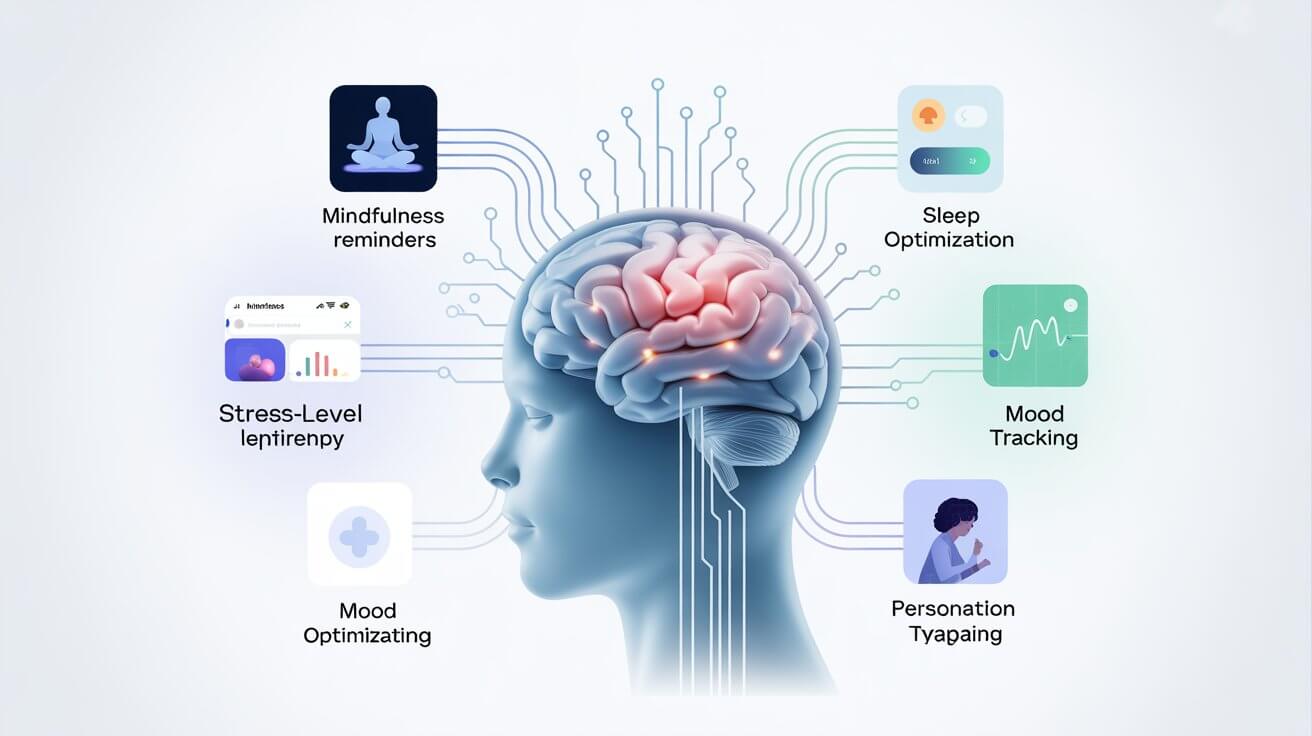
In 2025, mental health and stress management have become central to overall wellbeing. Rapid technological advancements, work pressures, and global challenges make it essential to prioritize emotional resilience, mindfulness, and stress reduction strategies. This article explores evidence-based approaches, digital tools, and personalized methods to improve mental health, reduce stress, and enhance quality of life.
1. Understanding Mental Health and Stress
Mental health encompasses emotional, psychological, and social wellbeing, affecting how individuals think, feel, and act. Stress is a physiological and psychological response to demands and challenges. Chronic stress can lead to anxiety, depression, and physical health issues. Recognizing signs and triggers is the first step in managing mental health effectively.

2. The Role of Mindfulness and Meditation
Mindfulness practices, including meditation, deep breathing, and progressive muscle relaxation, reduce stress, improve focus, and enhance emotional regulation. Guided meditation apps and AI-driven platforms provide personalized sessions, track progress, and adapt techniques to individual needs.
3. Cognitive Behavioral Therapy (CBT) and AI Assistance
CBT is a proven therapeutic approach for managing anxiety, depression, and stress. AI-powered mental health apps assist in CBT by providing exercises, tracking thought patterns, and offering personalized interventions. These digital tools make therapy accessible and scalable, supporting ongoing mental health maintenance.
4. Stress Reduction Techniques for Daily Life
Practical strategies for reducing stress include time management, goal setting, physical activity, and relaxation techniques. Incorporating breaks, mindfulness practices, and nature exposure improves resilience. AI reminders and wellness apps support consistent implementation of stress-reducing behaviors.
5. Physical Activity and Mental Wellbeing
Exercise plays a crucial role in mental health by releasing endorphins, reducing cortisol levels, and improving sleep. Personalized fitness programs, wearable activity trackers, and AI recommendations help individuals maintain consistent physical activity that enhances both physical and mental wellbeing.
6. Nutrition for Brain Health
Nutrition directly impacts cognitive function, mood, and stress levels. Diets rich in omega-3 fatty acids, antioxidants, and vitamins support brain health. AI nutrition platforms offer personalized meal plans based on health data, activity levels, and genetic predispositions, optimizing mental wellness through diet.

7. Sleep and Recovery
Quality sleep is essential for emotional regulation, stress management, and cognitive performance. Wearable devices and AI sleep trackers monitor patterns, detect disruptions, and recommend interventions. Optimizing sleep hygiene improves resilience and overall mental health.
8. Digital Detox and Technology Management
Excessive screen time and constant connectivity contribute to stress and burnout. Implementing digital detox strategies, such as scheduled breaks, app limits, and offline activities, supports mental health. AI tools provide insights into device usage patterns and suggest behavioral adjustments.
9. Social Support and Community Engagement
Strong social connections enhance emotional wellbeing and reduce stress. Support networks, peer groups, and online communities provide encouragement and accountability. AI-driven platforms suggest social wellness activities and facilitate engagement to improve overall mental health.
10. Mind-Body Practices and Holistic Approaches
Yoga, tai chi, and other mind-body practices integrate physical movement with mental focus, reducing stress and improving emotional balance. Wearable sensors and AI platforms track performance, provide feedback, and customize routines to individual needs.

11. Workplace Mental Health Strategies
Employers increasingly recognize the importance of mental health in productivity and employee retention. Workplace wellness programs, flexible schedules, mindfulness sessions, and counseling support promote resilience. AI tools monitor employee engagement and wellbeing metrics to guide interventions.
12. Personalized Stress Management Plans
Combining AI analytics, wearable data, and individual preferences enables personalized stress management plans. Tracking heart rate variability, sleep patterns, activity levels, and mood provides insights into stress triggers and effective interventions. Personalized plans enhance adherence and results.
13. Early Detection and Preventive Mental Health
Early detection of mental health issues allows timely interventions. AI algorithms analyze behavioral patterns, speech, and physiological indicators to identify risks. Preventive strategies, including lifestyle adjustments and therapy, reduce the likelihood of chronic mental health conditions.
14. Integrating Mental and Physical Health
Mental and physical health are interconnected. Integrated wellness programs that address nutrition, exercise, sleep, and stress provide comprehensive benefits. AI platforms unify data from multiple sources to deliver holistic health recommendations, enhancing overall wellbeing.
15. Conclusion
Managing mental health and stress in 2025 requires a personalized, technology-enhanced approach. Mindfulness, therapy, exercise, nutrition, sleep, and social support are essential components. AI-driven platforms and wearable devices provide actionable insights, enabling tailored interventions for sustainable mental wellbeing. By integrating these strategies into daily life, individuals can reduce stress, enhance emotional resilience, and achieve balanced, fulfilling lives.