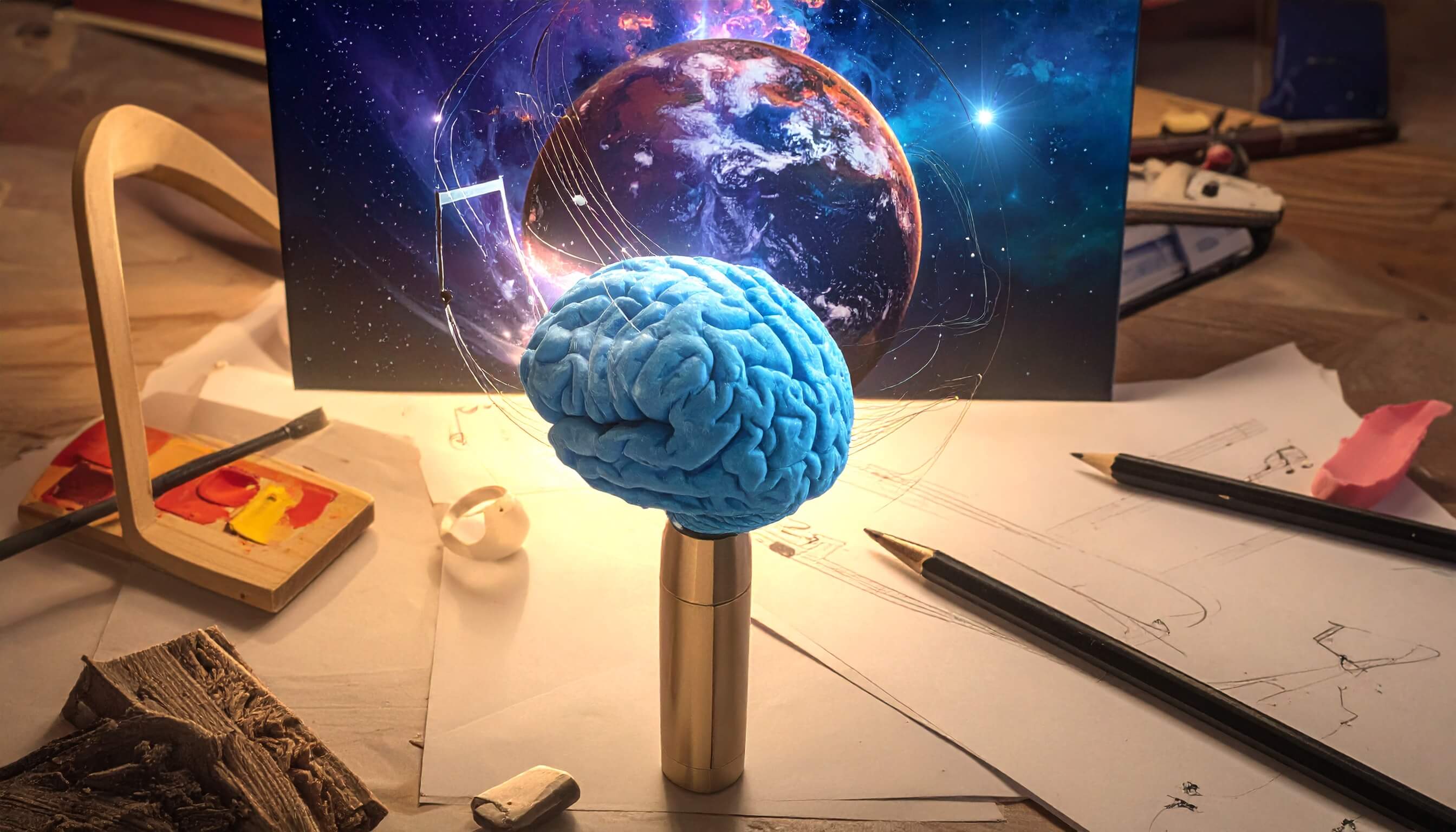
Artificial Intelligence (AI) is no longer confined to business, healthcare, or industrial applications—it is now profoundly transforming the world of creative arts. From music composition to digital painting, AI tools are empowering artists, musicians, and designers to explore new frontiers of creativity. By combining human imagination with algorithmic intelligence, AI is enabling creators to produce work faster, experiment with styles, and reach broader audiences. In this article, we explore how AI is revolutionizing the creative process, providing practical examples, applications, and trends that are shaping the future of art and music.
1. AI in Music Composition
AI-driven music tools have changed the way musicians compose and produce music. Platforms like AIVA, Amper Music, and OpenAI’s MuseNet can generate original compositions in various genres, harmonies, and tempos. Musicians can input parameters such as mood, style, or instrument preferences, and AI creates compositions that can be further refined and customized.
For example, independent composers use AI to generate backing tracks or experiment with new chord progressions. This not only speeds up the composition process but also inspires creativity by introducing unexpected musical patterns. AI can analyze thousands of existing songs to learn patterns in melody and rhythm, producing original works that are coherent and appealing to human listeners.

Case Study: Film Scoring
In the film industry, AI-generated music is being used to create adaptive soundtracks. Filmmakers can input scene descriptions, and AI algorithms generate music that matches the mood, pacing, and emotional tone. This allows for quicker iterations and reduces the cost of hiring orchestras for preliminary scoring. AI is also assisting in remixing existing scores to suit different film edits.
2. AI in Digital Painting and Visual Art
AI-powered painting tools like DeepArt, DALL·E, and MidJourney have revolutionized digital art. Artists can input text prompts or rough sketches, and AI transforms them into detailed, stylized images. This opens up possibilities for concept art, illustrations, and even advertising graphics.
Digital painters leverage AI to explore multiple styles rapidly. For instance, a designer creating a fantasy landscape can generate several variations in minutes, experimenting with lighting, texture, and perspective. This accelerates the creative process while maintaining high-quality output.
Example: Concept Art
Game studios use AI to generate preliminary concept art, which artists refine further. This reduces production time while maintaining creative freedom. AI also allows designers to iterate on ideas without the cost and time of manually creating multiple versions.
3. AI in Animation and Motion Graphics
AI tools like Runway ML, Adobe Sensei, and Ebsynth assist animators by automating tedious tasks such as rotoscoping, motion tracking, and frame interpolation. Artists can focus on storytelling and creative direction rather than repetitive frame-by-frame work.
For example, an animator can input a keyframe sequence, and AI generates smooth transitions between frames. This technology reduces production time, making high-quality animation accessible even to smaller studios or independent creators.

4. AI in Photography and Image Editing
AI-based tools like Luminar AI and Photoshop’s Neural Filters allow photographers and designers to enhance images quickly. These tools can adjust lighting, remove objects, change backgrounds, and even transform styles without manual editing. AI accelerates workflows, enabling photographers to focus on capturing creative shots instead of spending hours in post-production.
For instance, a photographer can replace a cloudy sky with a dramatic sunset using AI in seconds, or automatically enhance portrait features while keeping the image natural. This improves both productivity and creative expression.
5. AI in Fashion Design
Fashion designers are using AI to create innovative patterns, predict trends, and design clothing digitally. Platforms like Stitch Fix employ AI to analyze consumer preferences, generating designs that align with market demand. AI can also simulate fabric textures and colors, enabling designers to visualize garments before physical production.
Emerging designers benefit from AI by reducing prototyping costs and exploring bold, experimental designs that may have been too resource-intensive manually.
6. AI in Game Design and Interactive Media
AI is transforming interactive media and gaming. Procedural generation tools allow developers to create vast, dynamic worlds without manually crafting every asset. AI can design game levels, generate NPC behavior, and adapt gameplay to individual player styles.
For example, AI can dynamically adjust difficulty levels based on player performance or generate new game scenarios on the fly. This creates more immersive and personalized gaming experiences.
7. AI for Collaboration and Co-Creation
AI is enabling collaborative creativity. Tools like Google Magenta or Soundraw allow multiple artists to work together on a project with AI mediating suggestions. Teams can combine AI-generated ideas with human intuition, enhancing innovation and productivity.
Musicians can co-compose songs with AI, blending styles from different genres, while visual artists can iteratively refine AI-generated images collectively, producing hybrid works that merge human and machine creativity.
8. AI in Scriptwriting and Storytelling
AI tools like ChatGPT and Sudowrite assist writers in drafting scripts, novels, and storyboards. AI can suggest plot points, generate dialogue, or provide alternative story arcs, helping writers overcome blocks and explore diverse narrative possibilities.
Screenwriters use AI to test multiple story variations, ensuring compelling and coherent narratives. Educational platforms are also incorporating AI to teach creative writing, guiding students through structured prompts and feedback.
9. Ethical Considerations in AI Art
While AI provides incredible creative opportunities, it also raises ethical questions. Ownership and copyright of AI-generated work, data bias, and originality concerns are key topics in the creative industry. Artists and policymakers must define guidelines that ensure fair use, transparency, and credit allocation.
10. Future Trends in AI Creativity
The future of AI in creative arts is expansive. Multi-modal AI combining text, audio, and visuals will allow fully integrated creative workflows. Virtual reality and AI-powered immersive environments will enable artists to design experiences rather than static artworks. AI will also continue to enhance personalization, enabling audiences to interact with art, music, and media in unprecedented ways.
Moreover, as AI democratizes creative tools, more people can access professional-grade creative resources, lowering barriers and expanding the global creative economy. The blend of human intuition and AI efficiency promises a golden era for innovation in arts and entertainment.
Conclusion
AI is fundamentally reshaping the creative landscape. From music composition to digital painting, animation, photography, and interactive media, AI tools are accelerating workflows, inspiring new artistic possibilities, and enabling collaboration like never before. For professionals and enthusiasts alike, mastering AI-assisted creative tools is becoming essential to thrive in the rapidly evolving artistic ecosystem. By embracing AI thoughtfully, creators can unlock new levels of innovation, productivity, and expression in 2025 and beyond.