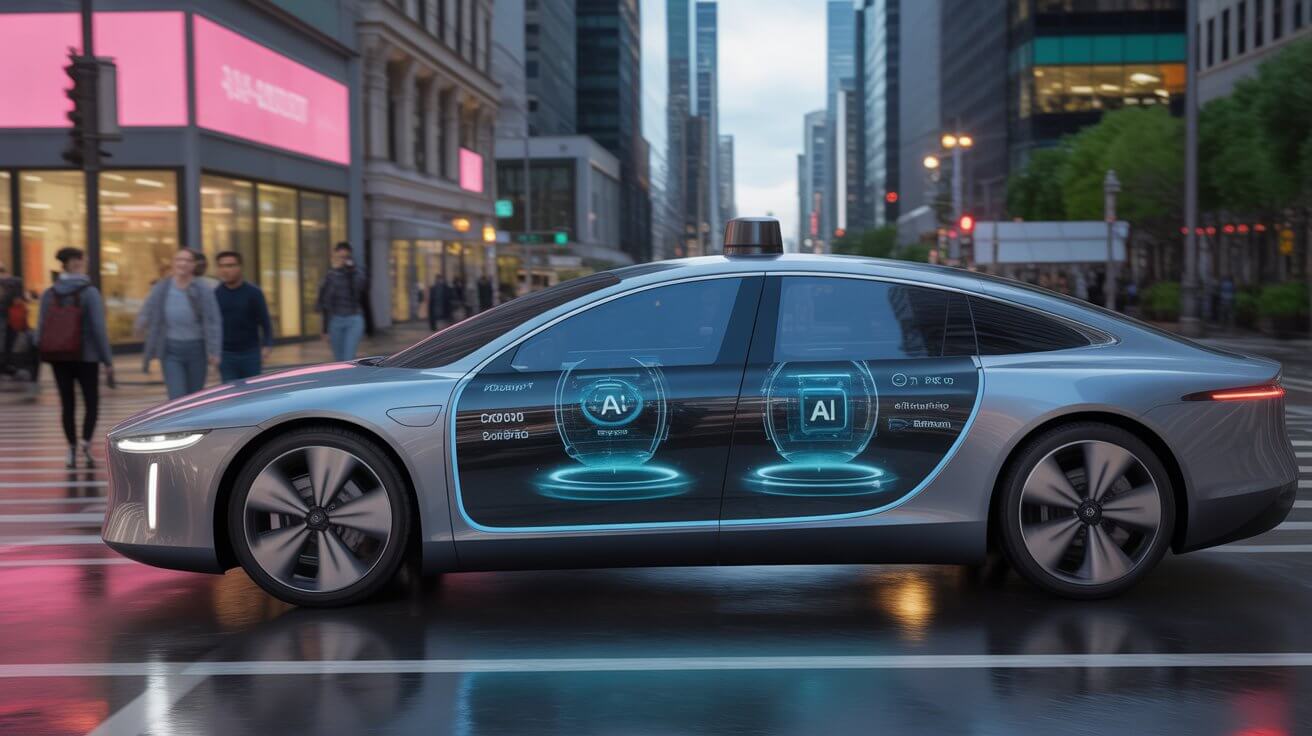
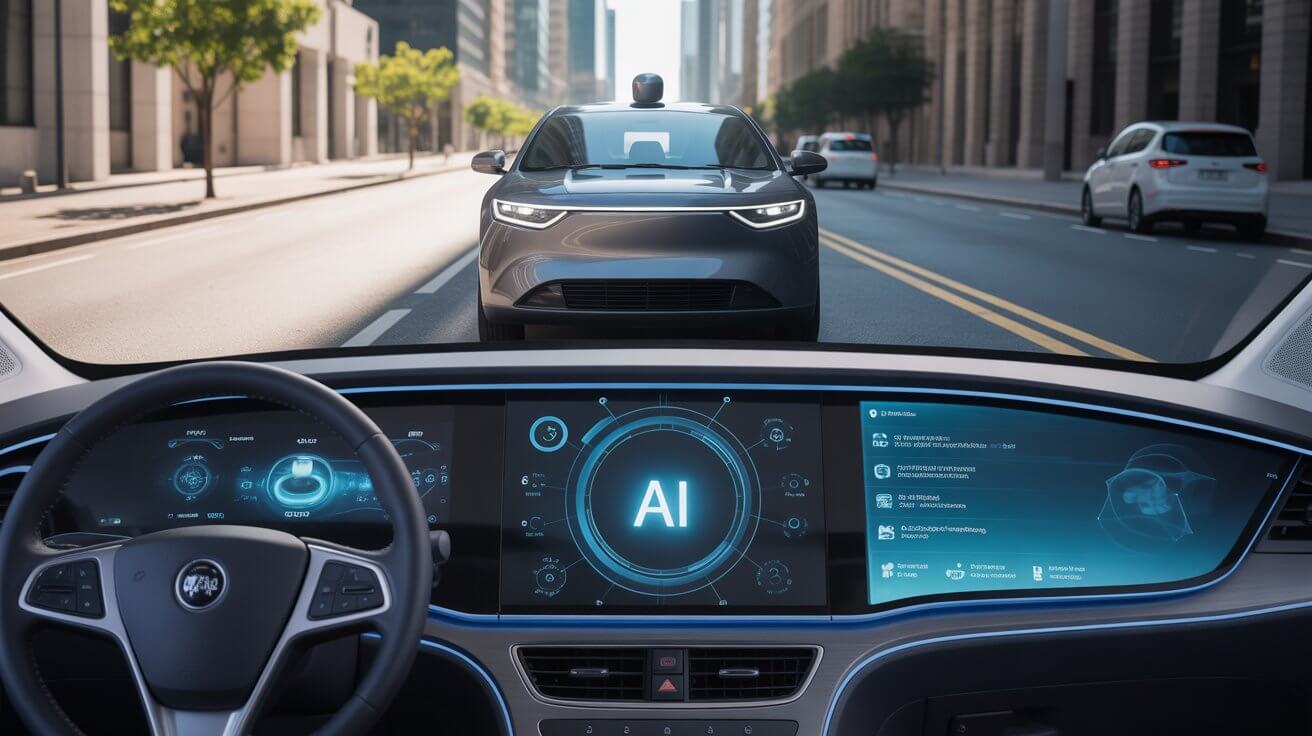
Autonomous vehicles (AVs) are no longer science fiction—they are becoming a tangible reality, reshaping transportation, logistics, and urban planning. Powered by advanced AI, machine learning algorithms, and sensor technologies, self-driving cars are designed to enhance road safety, reduce traffic congestion, and improve fuel efficiency. In 2025, AI-driven vehicles are increasingly being adopted by ride-sharing companies, delivery services, and public transportation networks. This article explores the technologies behind autonomous vehicles, their applications, challenges, and the transformative impact on society.
1. AI and Sensor Integration
At the core of autonomous vehicles is AI, which processes data from multiple sensors including LiDAR, radar, cameras, and ultrasonic devices. These sensors allow the vehicle to perceive its surroundings, detect obstacles, recognize traffic signs, and navigate complex environments. AI algorithms combine this information to make split-second driving decisions.
For example, Tesla’s Full Self-Driving (FSD) system uses neural networks to interpret visual data from cameras, enabling lane changes, stop sign recognition, and even navigating city streets autonomously. By continuously learning from millions of miles of driving data, AVs improve over time and adapt to new scenarios.

2. Machine Learning for Predictive Decision-Making
Machine learning allows autonomous vehicles to predict the behavior of other road users, such as pedestrians, cyclists, and other vehicles. By anticipating movements, AI can make safer and more efficient driving decisions. For instance, if a pedestrian is approaching a crosswalk, the AV can adjust speed preemptively to ensure safety.
Fleet operators use predictive models to optimize route planning and reduce delivery times. Companies like Waymo and Cruise are leveraging this technology to enhance urban mobility and logistics efficiency.
3. Vehicle-to-Everything (V2X) Communication
Autonomous vehicles are increasingly equipped with V2X communication, allowing them to interact with infrastructure, other vehicles, and traffic management systems. AI processes this data to optimize traffic flow, prevent accidents, and reduce congestion. Smart traffic lights can communicate with AVs to minimize wait times and energy consumption.
4. Enhancing Safety with AI
Safety is a major advantage of AI-driven autonomous vehicles. According to the National Highway Traffic Safety Administration, over 90% of traffic accidents are caused by human error. AI-powered AVs can reduce this risk by consistently following traffic rules, maintaining safe distances, and reacting faster than human drivers.
For example, Volvo has integrated AI-assisted braking and collision detection systems that can prevent accidents in high-risk scenarios. By combining multiple safety layers, autonomous vehicles aim to drastically reduce road fatalities.

5. AI in Logistics and Delivery Services
Autonomous trucks and delivery vans are revolutionizing logistics. Companies like Nuro and Amazon are testing AI-powered delivery vehicles that transport goods without human drivers. These vehicles navigate neighborhoods, optimize routes, and ensure timely deliveries while reducing operational costs.
In warehouses, AI-driven forklifts and robots coordinate with autonomous vehicles to create fully automated supply chains, increasing efficiency and minimizing human error.
6. Urban Planning and Traffic Management
AI in autonomous vehicles is also influencing urban planning. By collecting real-time traffic and environmental data, AVs help city planners optimize road designs, reduce congestion, and plan sustainable transportation networks. Shared AV fleets reduce the need for personal vehicles, freeing up urban space for parks, cycling lanes, and pedestrian areas.
7. Ethical Considerations and Decision-Making
Autonomous vehicles raise important ethical questions. For example, in unavoidable accident scenarios, how should AI prioritize outcomes? Engineers and policymakers are working together to establish ethical frameworks and ensure that AI decision-making aligns with societal norms and safety standards.
8. Challenges in AI-Powered AV Deployment
Despite rapid advancements, challenges remain. AVs must navigate complex weather conditions, unpredictable human behavior, and varying road infrastructures. High computational requirements, cybersecurity risks, and regulatory hurdles are also major considerations. Companies are addressing these challenges through continuous testing, AI model refinement, and government collaboration.
9. The Role of AI in User Experience
AI not only drives vehicles but also enhances the passenger experience. Smart infotainment systems, adaptive climate control, and personalized route suggestions improve comfort and convenience. Autonomous ride-sharing services leverage AI to match passengers efficiently and provide seamless journeys.
10. The Future of Autonomous Transportation
AI-driven autonomous vehicles are expected to become more prevalent in the next decade. Advances in multi-modal AI, edge computing, and 5G connectivity will enable fully autonomous fleets capable of operating in diverse urban and rural environments. Integration with smart cities will further enhance efficiency, sustainability, and safety.
As AV technology matures, we can expect reduced traffic fatalities, lower transportation costs, and a transformation in urban mobility patterns. Businesses, governments, and individuals must prepare for this AI-powered future by investing in infrastructure, policy frameworks, and education.
Conclusion
Autonomous vehicles powered by AI are poised to revolutionize transportation. By combining machine learning, sensor fusion, and predictive analytics, these vehicles promise safer roads, optimized logistics, and improved urban planning. Staying informed about AI advancements in AV technology is crucial for businesses, policymakers, and individuals looking to benefit from this transformative shift in mobility.