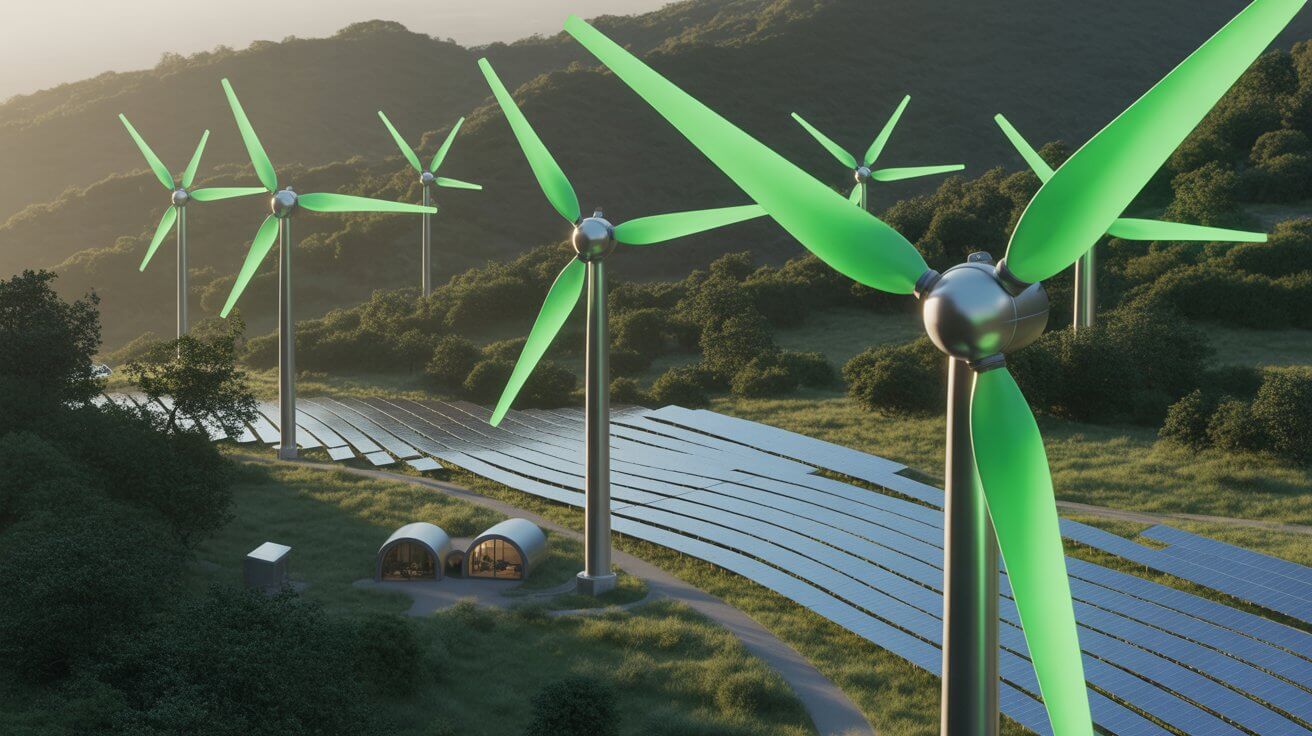
Artificial intelligence (AI) is revolutionizing green technology and sustainability in 2025. By optimizing energy usage, predicting environmental changes, and enabling innovative solutions, AI empowers industries, governments, and communities to achieve a more sustainable future. From smart grids to climate modeling, AI is the engine driving eco-friendly innovation.
1. AI-Powered Renewable Energy Optimization
AI algorithms manage and optimize renewable energy sources such as solar, wind, and hydroelectric power. By analyzing weather patterns, consumption data, and grid performance, AI ensures efficient energy distribution, minimizes waste, and enhances reliability.

2. Smart Grids and Energy Management
AI enables intelligent energy grids that monitor consumption, predict demand, and balance energy flow. Smart grids reduce energy loss, optimize renewable integration, and provide real-time insights to utility operators and consumers, supporting sustainable energy usage.
3. Predictive Environmental Monitoring
AI predicts environmental changes, including air quality, water availability, and climate patterns. These predictions allow proactive interventions to mitigate pollution, manage natural resources, and protect ecosystems.

4. AI in Climate Modeling and Research
Climate scientists use AI to simulate complex climate systems, identify trends, and predict future scenarios. AI enhances model accuracy, enabling better policy-making, disaster preparedness, and global sustainability planning.
5. Smart Agriculture and Food Sustainability
AI transforms agriculture by monitoring soil health, predicting crop yields, and optimizing irrigation. Farmers can make data-driven decisions to reduce resource use, increase efficiency, and promote sustainable food production.

6. Waste Management and Recycling
AI improves waste sorting, recycling efficiency, and resource recovery. By identifying materials, predicting waste patterns, and automating processes, AI reduces landfill use, lowers environmental impact, and supports circular economy practices.
7. AI-Driven Transportation and Emission Reduction
AI optimizes transportation networks, routing, and vehicle energy usage. Intelligent traffic management, predictive maintenance, and electric vehicle integration reduce carbon emissions and improve urban sustainability.
8. Conservation and Wildlife Protection
AI monitors wildlife populations, tracks endangered species, and detects illegal activities such as poaching or deforestation. AI-powered drones and sensors provide real-time data to conservationists, supporting biodiversity preservation.

9. Corporate Sustainability and ESG Compliance
Businesses leverage AI to monitor environmental, social, and governance (ESG) metrics. AI analyzes resource usage, carbon footprint, and sustainability practices, enabling companies to comply with regulations and implement greener strategies.

10. The Future of AI in Green Technology
Looking ahead, AI will integrate with IoT, robotics, and advanced sensors to further enhance sustainability. From smart cities to autonomous green infrastructure, AI will play a central role in addressing climate change, promoting renewable energy, and creating a sustainable global ecosystem.
Conclusion
AI in green tech and sustainability in 2025 drives innovation, efficiency, and environmental protection. By optimizing energy systems, supporting climate research, enhancing agriculture, and improving waste management, AI enables a smarter, greener future. Embracing AI-powered solutions is crucial for achieving global sustainability goals and safeguarding the planet for generations to come.